
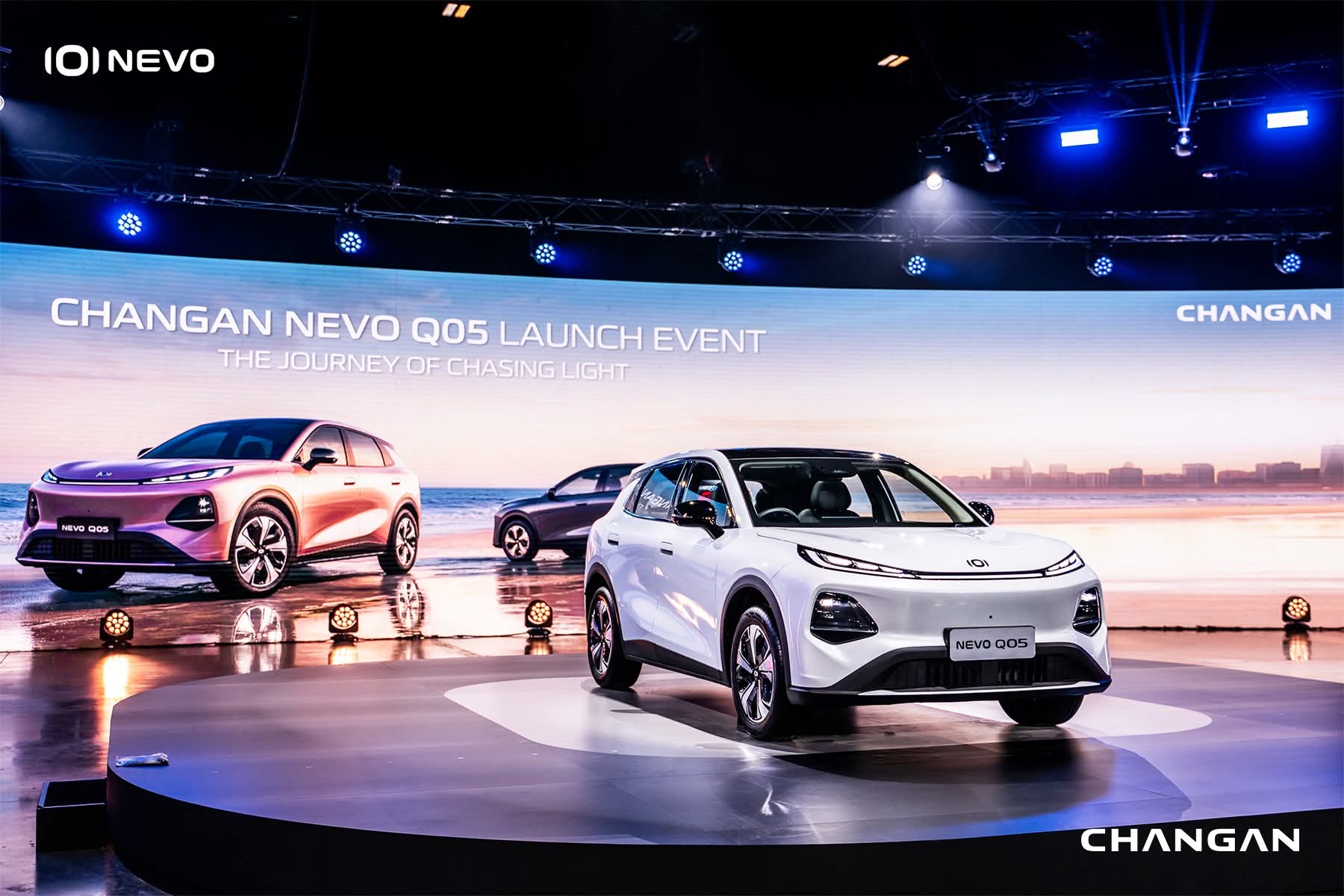
Judge NEVO Q05 practicality with the passengers, child seats and luggage the buyer really carries. Published litres are a screening reference; opening shape, occupied-seat space and the delivered equipment determine everyday usefulness.
Define the family load case
Start with the objects the buyer actually carries: pushchair, suitcases, mobility equipment, sports gear, work cases or shopping. Record the longest, widest and lowest clear openings, floor height, wheel-arch intrusion, underfloor access and whether the rear backrests create a usable load surface. Cross-check the published dimensions in the Q05 specification guide. When restraints are part of the purchase, complete a child-seat and family-fit trial rather than judging suitability from cargo volume or rear-bench width alone.
Write down the normal passenger and luggage combination before measuring, otherwise a favourable empty-car figure can distort the decision.
Measure the actual cabin and boot
Use the actual candidate for a packing test. Photograph the load with the parcel cover, charging cable and emergency equipment in their normal positions. Check door aperture, rear-seat knee and head room, centre-seat usability, ISOFIX locations, child-seat clearance and whether a rear-facing seat compromises the front passenger position.
Attach measurements and packing photographs to the candidate VIN so evidence from a different trim cannot be substituted.
Confirm restraint and trim requirements
Confirm locally applicable restraint requirements and test the selected trim's seat, camera, lighting and climate equipment. Accessories, tow equipment or a full-size spare may reduce the space represented by a brochure figure, so the delivered configuration should control the conclusion.
Use the restraint manufacturer’s instructions and applicable local rules when assessing a specific child-seat installation.
Price the usable configuration
Compare the cost of the usable configuration, including any child-seat or luggage accessories, rather than valuing brochure litres alone. A roof box, different child seat or luggage solution may be cheaper than moving to a larger model, while an unsuitable load shape remains inconvenient every day. Compare candidate condition and equipment through the new-versus-used guide.
List required accessories separately from the vehicle price and confirm whether they reduce cabin or luggage space.
Perform a candidate packing test
Bring a written load list and, where practical, the actual pushchair, cases or mobility equipment to the inspection. Measure the clear tailgate opening, floor width between wheel arches, usable depth with rear seats occupied and the space remaining when the charging cable is stored. Fit the child seats required by the family, checking ISOFIX access, buckle reach, front-seat clearance and whether three passengers can use the rear row. Open every door in a parking-width space and test tailgate height for shorter users. Photograph the final configuration and attach it to the VIN file. Published litres are helpful for screening, but the shape and access of the load area decide whether the car works every week.
Approve the configuration only after the required seats and representative load fit without relying on an unverified future accessory.
Record the approval decision
Approve family suitability only when the five-seat layout, boot dimensions and underfloor storage are confirmed on the candidate, and the required child seats, passenger space and accessories have been tested or precisely measured. Pause when published capacity is the only evidence or when the delivered trim changes the load area. Record the accepted passenger-and-luggage configuration with the VIN.
Retain the approval with the VIN file and reopen the review whenever the candidate, destination or commercial boundary changes.
Buyer approval checklist
Use these fields as a candidate-specific decision record. Assign each unresolved item before approving payment or shipment.
- Five-seat layout
- Boot dimensions
- Underfloor storage
- Child-seat fit
- Passenger comfort
- Required accessories
Primary references
Official Changan Thailand NEVO Q05 page ↗Official NEVO Q05 specification sheet ↗Changan NEVO Q05 Boot Space and Family Practicality: buyer questions
How much luggage space does the NEVO Q05 have?
The official Thailand sheet lists 450 litres, 90 litres of underfloor space and up to 1,380 litres with rear seats folded; verify the candidate layout.
Can litres alone show whether a pushchair fits?
No. Opening width, floor length, wheel-arch intrusion, cable storage and the need to keep rear seats occupied all affect usable space.
What should be checked for child seats?
ISOFIX positions, buckle access, door opening, front-seat clearance, head restraints and the exact child-seat instructions for both seat and vehicle.