
Value a Q05 panoramic-roof package through actual equipment, passenger comfort, sunshade function, condition and repair support.
Identify the actual roof and shade arrangement
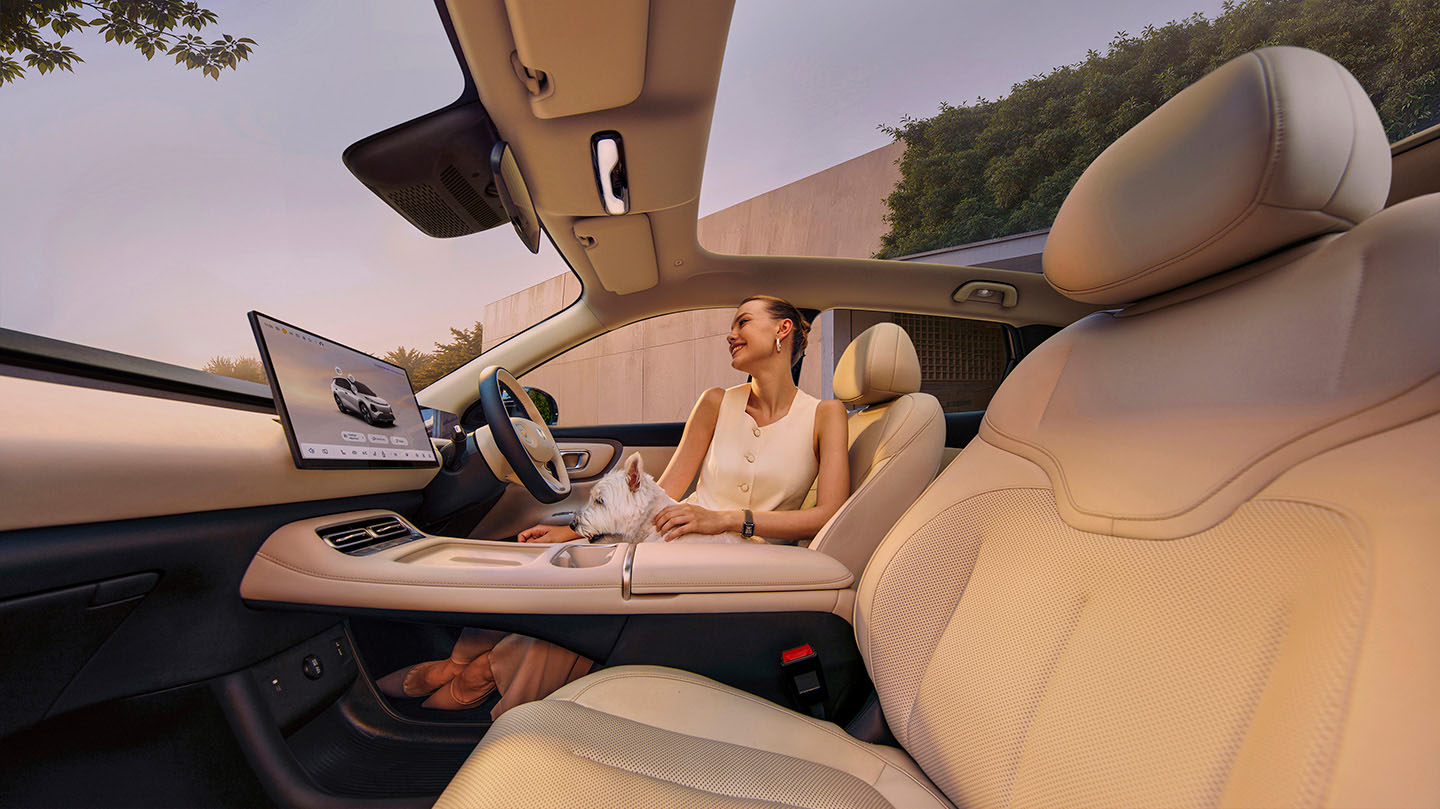
Request the original-market equipment record and inspect the roof, controls and sunshade on the offered VIN. Changan Thailand’s Q05 sheet describes its named regional package; the Max-versus-Ultra file still needs candidate-specific evidence. Distinguish fixed glass, any opening mechanism and the installed shade without guessing from a promotional image. Identify later alterations or repairs separately from factory equipment. A large cabin photograph can show a feature but does not establish its working condition or approval. Resolve ambiguous seller wording before valuing the package so the accepted offer names what will actually be delivered.
Trial comfort with the intended occupants
Set the front positions normally and place the regular rear passengers or child seats appropriately. Use the family trial to assess head space, shade coverage, glare and the occupants’ preferences. Where possible, observe conditions relevant to the destination rather than deciding entirely in a cool indoor showroom. Do not claim that panoramic glass universally makes a cabin hotter or more comfortable; the actual system, shade, climate and use matter. A visual sense of space can be valuable, but it should not conceal a practical headroom or glare issue for the people who will travel most often.
Include climate and visibility functions in the assessment
Trial the actual shade and cabin climate operation safely, recording what was observed and what remained untested. The climate-system guide addresses a separate technical scope. Do not infer climate-system health simply because the cabin felt cool during a brief demonstration. Ask whether any tinting or film is fitted, who installed it and what product and warranty evidence exists. Obtain appropriate professional guidance before considering changes to glass or coatings. A seller’s promise that a future film will solve every comfort concern is not the same as demonstrating that the candidate already meets the buyer’s requirements.
Inspect glass and related body evidence
Have a qualified assessor examine accessible glass, seal, shade and surrounding body condition, including reported replacements or repairs. The accident and water-history file keeps structural and leak questions outside a simple cosmetic feature review. Record access limitations and do not perform risky improvised leak tests. A repaired or replaced glass component is not automatically unacceptable, but the buyer needs the appropriate work and condition evidence. Investigate cracks, warning signs or unverified repairs before assigning a cheap correction allowance. The panoramic feature should not reduce the underlying whole-vehicle assessment simply because the cabin presentation is attractive.
Confirm component support and the complete price difference
Ask the receiving workshop about exact glass, shade and related part identification, installation support and any required procedures. The parts-matching guide is more useful than a generic online glass price. Verify warranty or insurance claims with the actual providers rather than assuming every failure or damage event is covered. Normalise the quotation comparison and list other trim differences so the entire premium is not assigned to the roof. A feature can be desirable but poor value when essential service or component supply is unresolved. Keep diagnosed preparation and optional improvements separate.
Choose the package that benefits this buyer
Pay the premium when the actual roof arrangement, comfort, condition and support justify it within the total budget. Prefer another acceptable configuration when the feature adds little to normal use or introduces an unresolved requirement. Do not assume removing or changing a roof system is a simple supported way to reverse the choice after purchase. Record the accepted equipment and known exceptions in the purchase schedule. Reassess a substituted VIN even if it has the same trim name. The result is a personal practical-value decision backed by evidence, not a universal claim that panoramic roofs are essential, unsafe or always more valuable at resale.
Buyer approval checklist
Use these fields as a candidate-specific decision record. Assign each unresolved item before approving payment or shipment.
- Actual roof and shade equipment identified
- Occupied-seat comfort and glare trial
- Climate and shade functions observed
- Glass and surrounding body condition assessed
- Exact component support and justified premium
Primary references
Thailand Q05 roof and shade equipment context ↗NEVO Q05 Panoramic Roof: Is It Worth Paying More?: buyer questions
Does panoramic roof automatically mean an opening sunroof?
No. Confirm the installed roof arrangement and operating functions for the actual market and trim rather than inferring them from the description.
Should the roof decide the whole trim purchase?
Only if it meets a meaningful requirement. Compare condition, support and other equipment separately so a single attractive feature does not hide the complete premium.