
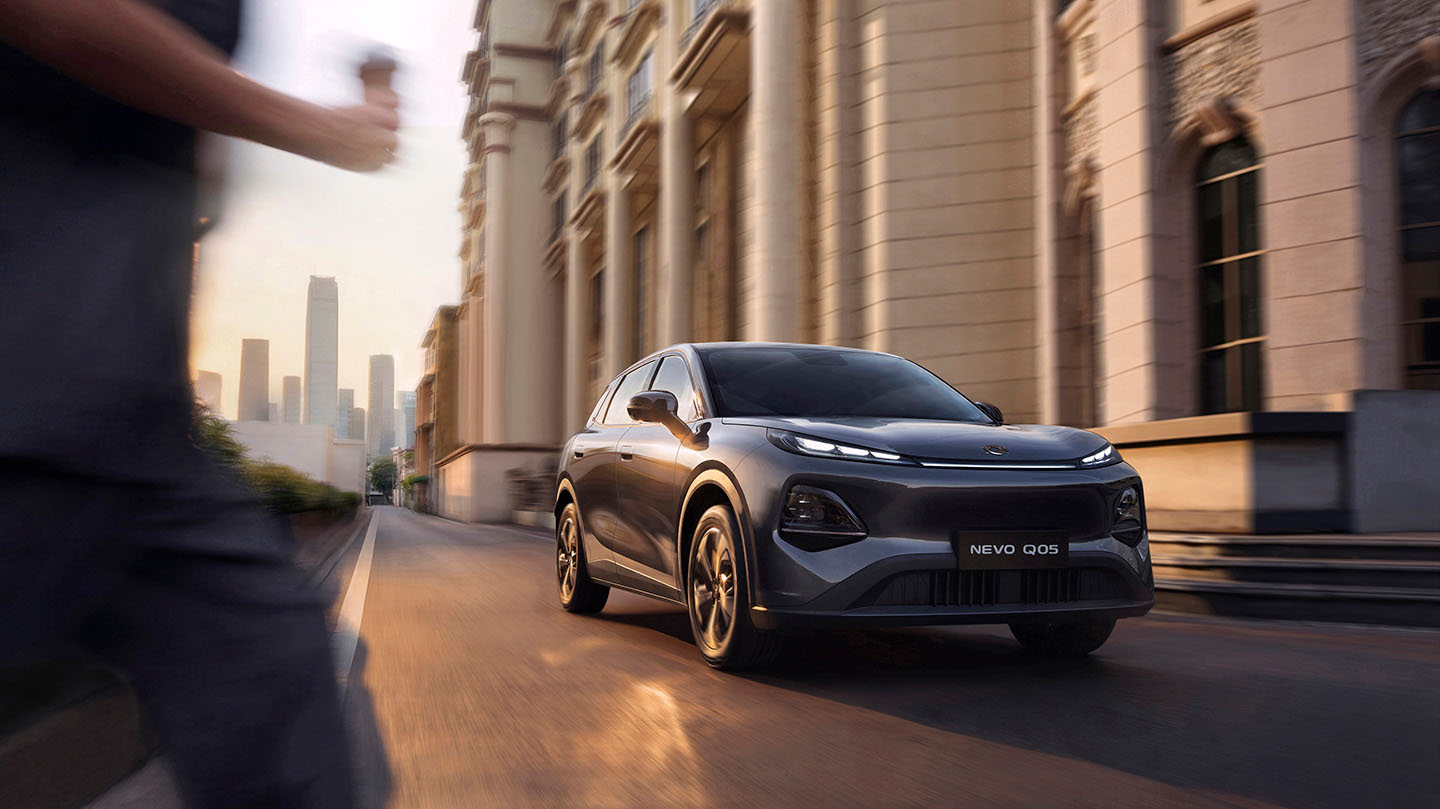
Plan home charging for a NEVO Q05 BEV or Qiyuan Q05 PHEV using the actual inlet, onboard charger, parking site and qualified electrical assessment.
Identify the vehicle side before buying a wallbox
Obtain a current inlet photograph, the exact market specification and confirmation of AC charging capability. Do not transfer Thailand BEV specifications to an earlier China-market PHEV or assume that translated Q05 names establish connector compatibility. Use the Q05 charging and connector guide to organise these checks. Ask about supplied cables, ratings and any missing equipment. A cable that physically fits at one end is not proof of a safe, compliant and functional charging arrangement. Avoid unapproved adapter promises as a substitute for a supported vehicle and installation combination.
Describe the parking site to a qualified installer
Provide the electrician with the parking location, cable route, distance from the supply, outdoor exposure and whether the space is privately controlled or shared. Ask about supply capacity, protection, earthing, permissions and applicable local requirements without prescribing a generic solution. Apartment parking may require building approval or load management. A driveway may create cable crossing or weather-exposure issues. Obtain a written scope that distinguishes equipment, installation and any property upgrade. The car should not be ordered on the assumption that a convenient-looking socket will support repeated charging safely.
Estimate energy from daily use rather than battery size
Calculate typical daily distance and a realistic range of energy consumption, then allow for charging losses and seasonal changes. For illustration, 60 km at an assumed 18 kWh per 100 km requires 10.8 kWh at the vehicle before losses; this is a planning example, not a Q05 consumption claim. Divide the required replenishment by the effective charging power to estimate time, remembering that the vehicle can limit power below the wallbox rating. The Q05 efficiency guide helps build a route-based estimate rather than relying on an advertised range.
Check scheduling, tariffs and everyday access
Ask whether the actual vehicle and chosen equipment support the required schedule and how settings work without an unavailable regional app. Confirm local tariffs directly with the provider; do not assume overnight electricity is always cheaper. Consider who parks first, whether the cable reaches without strain and how the user will secure or store it. A nominally powerful charger is not useful if the parking space is inaccessible most evenings. Test start, stop, locking and normal unplugging using the approved equipment before treating the routine as settled.
Plan a credible backup rather than an adapter collection
Identify a compatible public charging option and an alternative transport plan for installation delays or equipment faults. Verify network access and payment with the Q05 public charging access guide. Do not rely on extension leads, improvised socket converters or an unverified emergency charger for regular use. For a PHEV, petrol operation may provide flexibility, but it does not make a poor electrical installation acceptable. Decide whether the expected charging frequency still supports the purchase rationale when home access is occasional rather than dependable.
Approve the complete package before shipment
Keep the vehicle inlet evidence, wallbox model, installer quotation, permission status and expected completion date together. Specify which cable accompanies the vehicle and who verifies it on arrival. If the destination installation cannot be confirmed, compare postponing the purchase, choosing a more compatible specification or using a proven public-charging routine. A home-charging budget should include the actual site work, not just hardware advertised online. New and used cars both require compatibility checks; used cars additionally need a demonstrated charging session and inspection of the inlet and supplied equipment.
Buyer approval checklist
Use these fields as a candidate-specific decision record. Assign each unresolved item before approving payment or shipment.
- BEV or PHEV identity and AC inlet evidence
- Licensed installation assessment and permissions
- Daily energy and overnight-time estimate
- Supplied cable and scheduling demonstration
- Compatible backup charging option
Primary references
Changan Thailand NEVO Q05: BEV market reference only ↗Official Thailand Q05 equipment sheet: not an earlier PHEV specification ↗Changan Q05 Home Charging: Site and Vehicle Checks: buyer questions
Will a higher-rated wallbox always charge a Q05 faster?
No. The vehicle onboard charger, supply and operating conditions can limit actual power. Match the complete system rather than only the wallbox label.
Can I choose equipment before identifying the Q05 version?
That risks incompatible purchases. Confirm the actual inlet, market and AC capability first, then have the destination installation assessed.